1 April 2025

In a world increasingly run by algorithms, where machines diagnose patients, determine creditworthiness, moderate speech, and even guide the justice system, we are being forced to ask questions we never imagined we’d need to.
Can an algorithm be racist? Should a chatbot have freedom of speech? Who is responsible when an autonomous vehicle kills someone? Can we teach machines morality or are we simply encoding our own biases into polished lines of code?
These are not just technical questions. They are moral, legal, philosophical, and increasingly existential.
Yet most conversations around Artificial Intelligence still center on performance metrics, business use cases, or technological breakthroughs. What’s missing is a deeper engagement with what it all means, what it risks, and who it truly serves.
This is where AI philosophers and ethicists come in — not as optional consultants, but as critical architects of a future we can actually live with.
At Breakthrough, our course “Becoming an AI Philosopher” is designed to train the next generation of leaders who can think, speak, and act responsibly in a world shaped by intelligent machines.
Let’s unpack why this field matters now more than ever and why we need more thinkers, not just more tools.
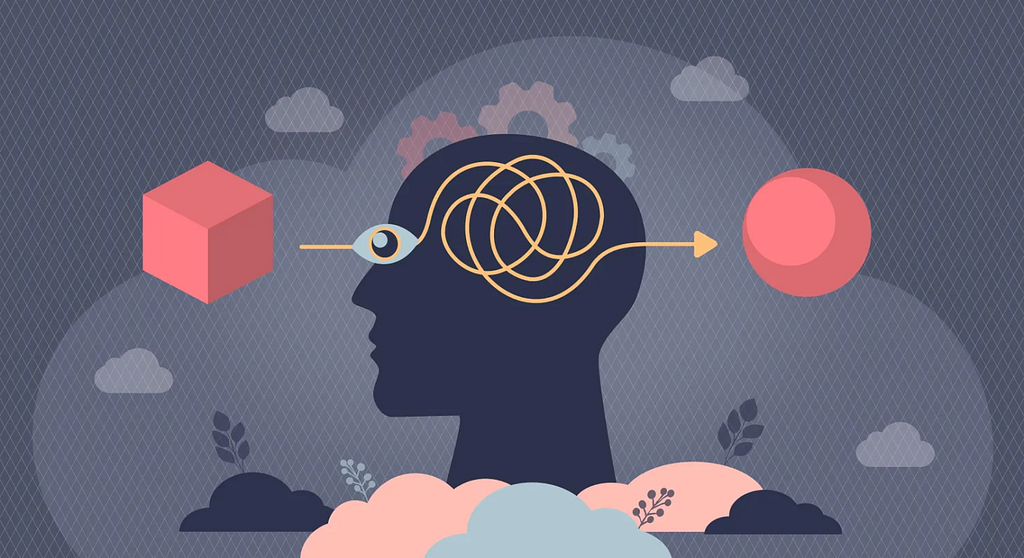
In 2018, Amazon scrapped an AI hiring tool after discovering it was systematically downgrading applications from women. Why? Because the system had been trained on a decade of résumés, most of which came from men.
In 2020, the Dutch government was forced to shut down a welfare fraud detection algorithm that targeted poor and immigrant communities at far higher rates than others. A court later ruled the system violated basic human rights.
And in 2023, a generative AI model used by a medical provider in the U.S. made racially biased predictions in pain management protocols leading to dangerous disparities in care.
The question is no longer “Can we build it?” but “Should we?” And if so, “How can we ensure it is just, transparent, and aligned with human values?”
This is the central concern of AI ethics and our course begins with exactly this inquiry.
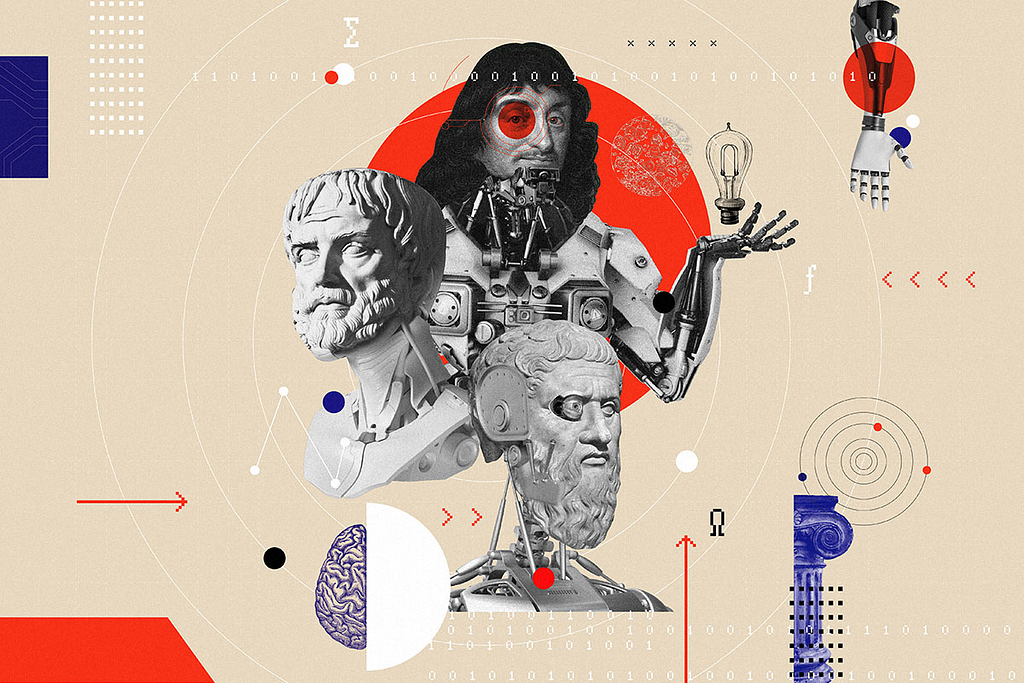
Once relegated to universities and cafés, philosophers are now stepping into tech boardrooms, regulatory committees, and design sprints.
Why? Because AI confronts us with a scale and speed of moral decision-making that humans have never faced before.
Imagine this:
● A facial recognition system is deployed at borders to identify “risky” individuals.
● A predictive policing model flags neighbourhoods for extra surveillance.
● An autonomous drone is trained to identify and neutralise human targets in conflict zones.
Every one of these decisions implicates ethics, legality, and human rights. But unlike in the past, they’re now being made in real-time by systems designed by engineers, deployed by companies, and often misunderstood by policymakers.
In our AI Ethics & Philosophy course, we explore the evolution of moral reasoning, from Kant and Mill to modern debates about algorithmic justice. Because to shape the future of AI, we need not just tech skills but the wisdom to use them well.
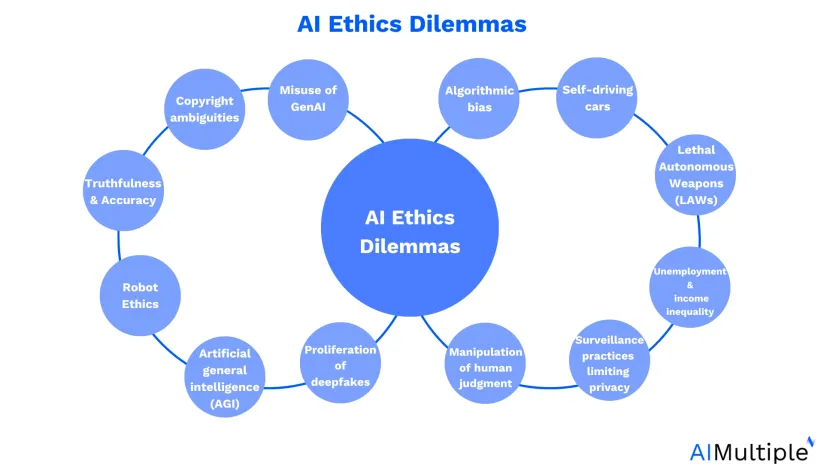
One of the most illustrative failures in ethical AI governance was Google’s now-infamous AI ethics board, which was dissolved in 2019 just days after being announced. The board, meant to advise on responsible AI, faced immediate backlash due to the inclusion of controversial figures and a lack of transparency.
Lesson learned? Ethics cannot be retrofitted. It must be embedded from the start — in team culture, in system design, and in policy frameworks.
By contrast, initiatives like the Montreal Declaration for Responsible AI and Barcelona’s City OS offer hope: community-driven, open-source, and rights-based approaches to technology governance that respect human dignity and environmental sustainability.
In the course, we critically evaluate these cases and more like building frameworks for what responsible AI adoption should look like across sectors.
Ethical AI doesn’t stop at the lab or product launch. It extends into policy and governance, shaping how nations approach digital rights, data sovereignty, and public safety.
From the EU AI Act to UNESCO’s AI Ethics Recommendations, we are witnessing a global attempt to regulate AI before it outpaces oversight.
But here’s the paradox: regulators are often several steps behind the technology and several layers removed from the people most impacted by it.
That’s why this course includes a hands-on policy simulation and framework-building assignment, giving learners the tools to influence public discourse, draft actionable proposals, and advocate effectively at the institutional level.
You’ll gain confidence in engaging with legislators, corporate leaders, and civic groups to shape AI regulation with justice and foresight in mind.
Let’s be clear: ethics is not a checklist. It’s not a compliance document. It’s a living practice.
Our course moves beyond abstract theory into real-world application, helping you:
● Analyse ethical risks in AI deployment
● Write internal guidelines for corporate AI ethics teams
● Evaluate bias and harm in datasets
● Lead responsible innovation teams in startups and nonprofits
● Present persuasive arguments for algorithmic accountability
You’ll leave with a portfolio of practical tools and a deeper understanding of your own ethical stance in this work.

The demand for professionals trained in AI ethics is surging. Roles are emerging across:
● Public policy and international governance
●Tech companies (AI ethics boards, responsible AI teams)
● Academia and research
● Legal and human rights advocacy
● Think tanks and consultancies
Companies like Microsoft, IBM, DeepMind, Meta, and OpenAI now employ dedicated AI ethicists and philosophers — not as PR shields, but as strategic guides for long-term innovation.
This course prepares you to step confidently into these roles with both, the intellectual grounding and applied experience to make an impact.
The future is already being coded. The question is: by whom, for whom, and with what consequences?
Technology doesn’t shape society on its own. People do. And it’s up to all of us — whether you’re a student, policymaker, entrepreneur, researcher, or concerned citizen — to ensure that AI serves the public good, not just private profit.
Enroll in Breakthrough’s “Becoming an AI Philosopher” course Gain the clarity, language, and tools to become not just a spectator of the AI age, but a leader in defining its values.
The next generation of technology needs more than engineers. It needs ethicists, advocates, and philosophers who know how to ask the right questions and demand better answers.

Why the Future of AI Needs Philosophers was originally published in breakthrough on Medium, where people are continuing the conversation by highlighting and responding to this story.

Are you ready to kickstart a career in the tech industry? Breakthrough Social Enterprise is excited to announce our upcoming…

members to give back by conducting mock interviews and providing employability clinics for at-risk young people and prison leavers. Here’s…
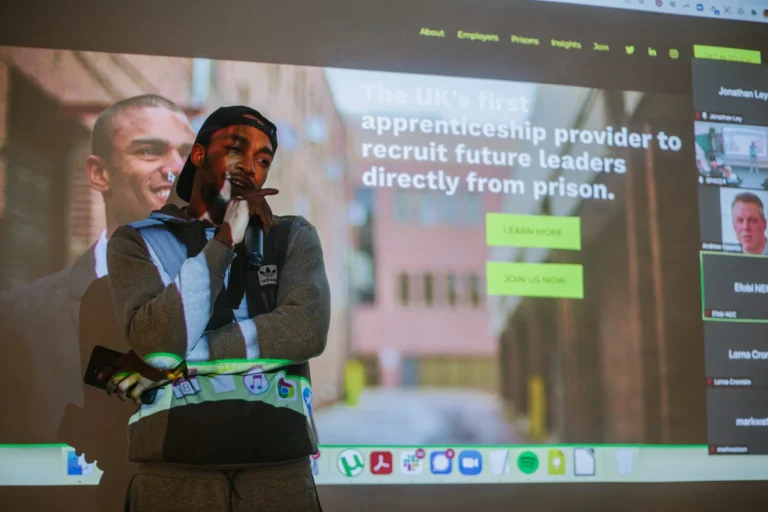
Returning to prison, but this time as a staff member and not a prisoner, was daunting. I instantly tensed up…

