8 January 2026
The conversation around artificial intelligence is moving fast. Faster models, smarter tools, and constant updates dominate headlines.
While all these updates and upgradations sound exciting also bring in a lot of anxiety about automation, relevance, and the loss of control. In most discussions, progress is framed as a technical race; whoever builds the most powerful system wins.
What often gets overlooked is something more fundamental. AI does not think on its own. It reflects the thinking that shapes it. This is why the future of AI and human thinking are inseparable.
AI systems are trained on human data, guided by human goals, and deployed through human decisions. They are not value-neutral. They amplify intent, judgment, and assumptions at scale. When those inputs are shallow or rushed, the outputs follow. When they are thoughtful and grounded, AI becomes far more useful.
This is the shift behind a humanity-led approach to AI. The real question is no longer “What can AI do?” but “Who are we becoming as we build and use it?”
For a deeper look at why this matters now, see Why Human Skills Matter More in an AI World on Breakthrough.
Why does AI still need human decision-making is not a philosophical question. It is the foundation of whether AI helps or harms.

AI excels in pattern recognition, prediction, and speed. What it cannot do is replace human judgment. This is where many conversations about automation miss the point.
Tool fluency is temporary. Prompts, platforms, and models will change. Human capability compounds over time. Skills like judgment, ethical reasoning, and reflection grow stronger with practice and context.
This is why the importance of human judgment in AI continues to rise, not fall. AI does not understand meaning. It does not understand consequences. It processes information based on patterns it has seen before. Humans bring interpretation, responsibility, and care.
These are uniquely human skills in Artificial Intelligence. Without them, AI becomes something we react to. With them, AI becomes something we think with.
What skills do humans bring to AI systems? The answer lies less in coding and more in how decisions are made.
AI fluency is about understanding how tools work. Human capability is about understanding how thinking works.
Many organisations focus on AI literacy and human capability as if they are the same thing. They are not. Literacy teaches usage. Capability shapes outcomes.
True human AI collaboration in the workplace depends on humans knowing when to trust AI, when to challenge it, and when to step back entirely. This is where AI becomes a thinking partner rather than an authority or replacement.
This distinction matters because technology evolves quickly. Human thinking habits do not develop unless they are intentionally developed.
Why do humans need to develop skills alongside AI? Because AI reveals the quality of human thinking. It does not improve it on its own.
To build AI responsibly, use it wisely, and integrate it meaningfully into society, we must develop a specific set of human skills.
This is the focus of Breakthrough’s AI Skills Bootcamp, which builds practical human capability alongside technical understanding.
The following are not soft skills. They are essential human skills in AI development that shape real-world outcomes.
Critical Thinking
Questioning outputs and recognising when confidence does not equal correctness. AI can be persuasive even when wrong.
Problem Framing
Defining the right question before asking for solutions. Poor framing produces poor results at scale.
Ethical Judgment
Making decisions about fairness, bias, consent, and impact. These choices always remain human.
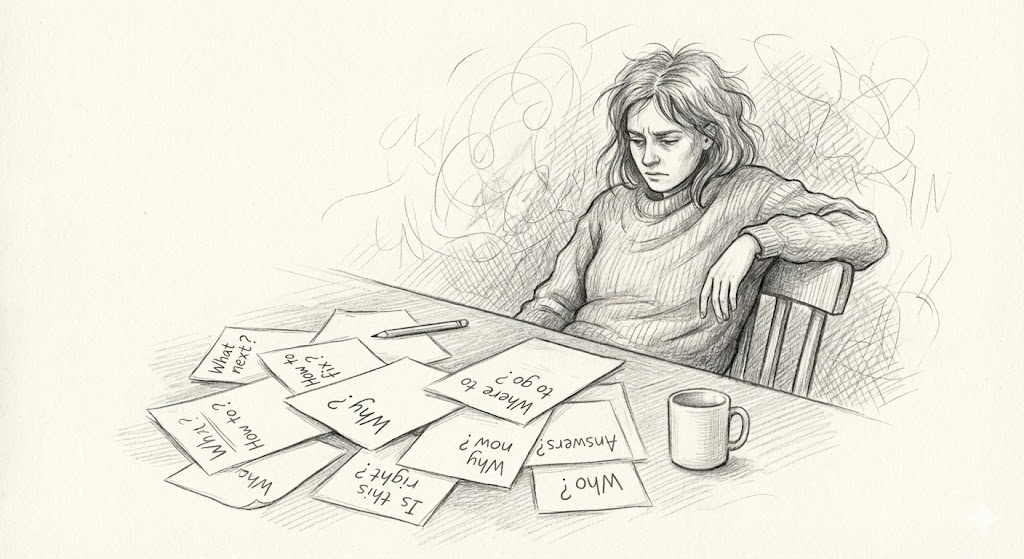
Contextual Awareness
Understanding social and cultural nuance so AI outputs are applied thoughtfully.
Curiosity with Restraint
Exploring possibilities without chasing hype or avoiding discomfort.
Reflective Thinking
Pausing to assess consequences rather than optimising for speed.
Creativity and Synthesis
Connecting ideas across experience and insight. AI can assist, but not originate.
Agency and Ownership
Taking responsibility for outcomes instead of blaming the tool.
Emotional Intelligence
Recognising human needs and fears, especially in sensitive systems.
Long Term Thinking
Looking beyond immediate efficiency to second and third-order effects.
For deeper insight into skills like critical thinking and ethical judgment, see AI Fluency: The Practical Wisdom You Need to Thrive in Tomorrow’s Workplace.
AI magnifies human intent. It accelerates strengths and weaknesses alike. Without human capability, AI adoption increases risk without delivering real value.

A strong AI skills development strategy recognises that progress comes from combining human intelligence with machine learning, not replacing one with the other.
This is how individuals stay confident, organisations stay adaptive, and societies avoid panic-driven adoption.
The human-led future of AI is not about slowing progress. It is about shaping it. Ethical and inclusive AI powered by people depends on deliberate human development.
What does the future of AI look like with human leadership? It looks steadier, more intentional, and more responsible.
How can humans shape AI for good? By strengthening how we think, not just what we build.
If you want to be part of this shift, you can join the BreakthroughAI waitlist and build the human capabilities that matter most in the age of AI.
Why the future of AI depends on human thinking, not just algorithms was originally published in Breakthrough Social Enterprise on Medium, where people are continuing the conversation by highlighting and responding to this story.
Are you ready to kickstart a career in the tech industry? Breakthrough Social Enterprise is excited to announce our upcoming…
members to give back by conducting mock interviews and providing employability clinics for at-risk young people and prison leavers. Here’s…
Returning to prison, but this time as a staff member and not a prisoner, was daunting. I instantly tensed up…

