

13 November 2025
The Rise of Regenerative Wealth: When AI and Impact Redefine Prestige
For decades, status has been measured by material wealth — the car, the address, the vacation spot. But the cultural tide is shifting. The new currency of influence isn’t accumulation, it’s impact. In an age of AI-driven change, the world’s most admired figures are no longer those who have the means to enjoy luxury, but those who use their resources and intelligence to shape a better future.
The Capgemini World Wealth Report 2024 found that the global population of high-net-worth individuals (HNWIs) reached record highs, yet over 60 % of those under 45 say they are “actively rethinking” how their capital serves society. Likewise, the High-Net-Worth Giving Index 2025 revealed that more than 70 % of ultra-wealthy individuals in the UK now describe their philanthropy and investments as mission-driven rather than purely financial.
The next era of prestige belongs to those who build, back, and embody meaningful progress. The “new flex” is being able to say not just “I made it,” but “I made a difference.”
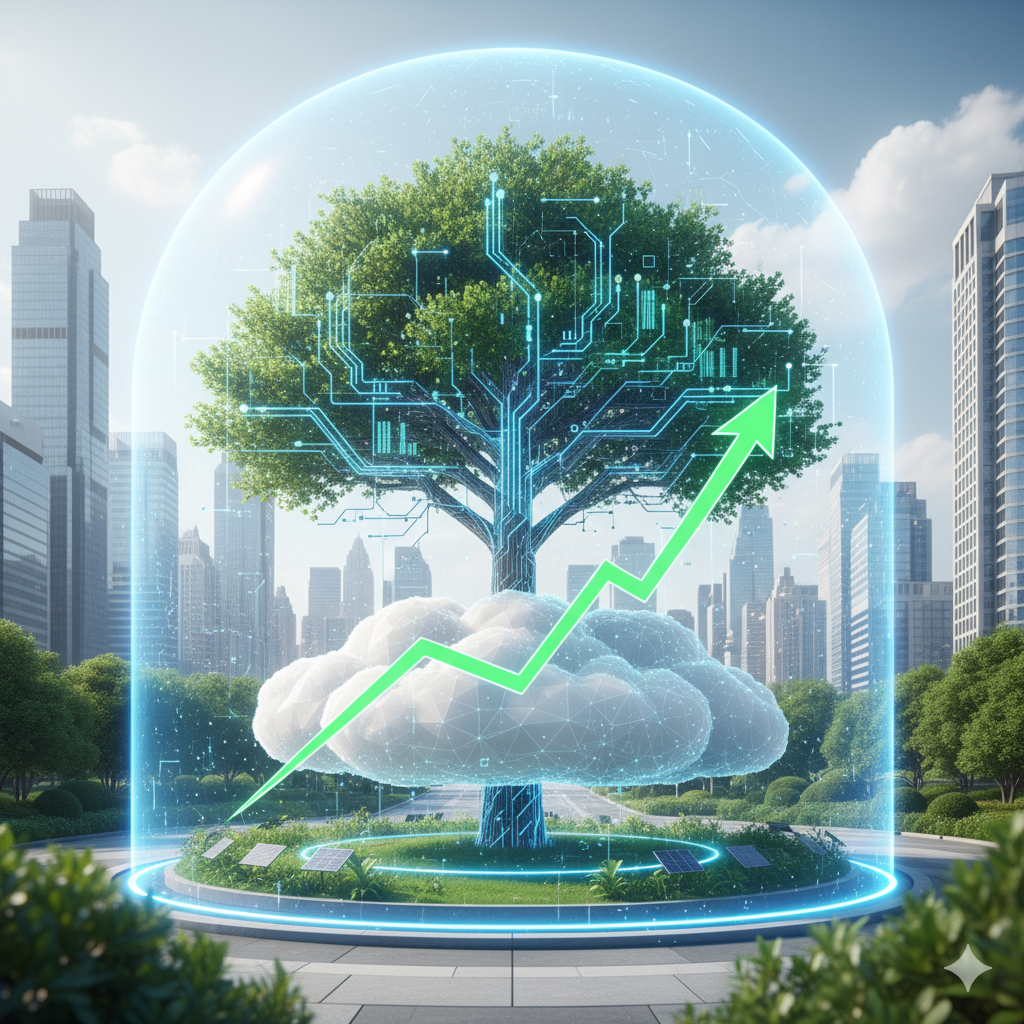
Luxury to Legacy
In high-net-worth circles, social consciousness used to be optional — something reserved for gala season or corporate CSR pages. Today, it’s becoming the core of reputation management. For this reason most respected entrepreneurs, investors, and creators are weaving purpose into their portfolios.
Luxury brands are at the forefront of this evolution. Over 160 fashion houses, including Gucci, Stella McCartney, and Prada, have joined The Fashion Pact, pledging to reach net-zero carbon emissions by 2050 and transition to 50 % renewables by 2025. Bentley and Rolls-Royce are reengineering production toward fully electric fleets within the decade.
To the discerning eye, true sophistication now lies in responsibility. To be wealthy without being wise — or to profit without purpose — feels increasingly out of touch.
If you are wondering, how are consumers responding to this? As per Bain & Company’s Luxury Goods Worldwide Market Study (2024), two-thirds of Gen Z luxury buyers consider a brand’s sustainability record before purchasing.
Make a visible impact
In a hyperconnected world, credibility comes from traceable transformation. AI and blockchain tools now let individuals and institutions publicly verify their impact — from carbon footprints to regenerative investments.
Social platforms and analytics dashboards are turning philanthropists into “impactfluencers”. Entrepreneurs who once competed on valuation now compete on verification: proof of clean supply chains, transparent governance, and measurable social benefit.
Data-driven storytelling is becoming as powerful as product design. When impact can be quantified — emissions saved, lives improved, ecosystems restored — it becomes the most credible form of clout.

The elite of tomorrow
Consider investors like Chamath Palihapitiya and venture funds such as Obvious Ventures or 776. Their portfolios don’t just chase high returns; they seek systemic change — from healthcare accessibility to climate resilience.
Or creators like Timnit Gebru and Joy Buolamwini, who have turned their expertise in AI into movements for algorithmic justice. Their influence extends beyond academia or tech — it’s cultural, ethical, and deeply human.
These are the leaders defining a new social order. The elite of tomorrow are not measured by what they own, but by the ecosystems they nurture. They wear integrity as visibly as others wear brands.
Regenerative AI: The ultimate status symbol
Artificial Intelligence is the most powerful amplifier of human intent — and therefore the clearest mirror of our values. Those using AI regeneratively are defining the new standard of prestige.
Imagine investors using AI to optimize reforestation, or luxury groups leveraging machine learning to eliminate waste across their supply chains. These are not future fantasies — they’re current investments shaping how influence is expressed.
When the rarest luxury becomes regeneration, AI becomes the instrument of legacy.
AI offers a new form of immortality — not through ego, but through systems that sustain. It allows wisdom, capital, and compassion to scale together. According to the Global Impact Investing Network (GIIN), 80 % of investors now believe that “impact measurement enhances financial performance.” Purpose has become not just moral, but strategic.
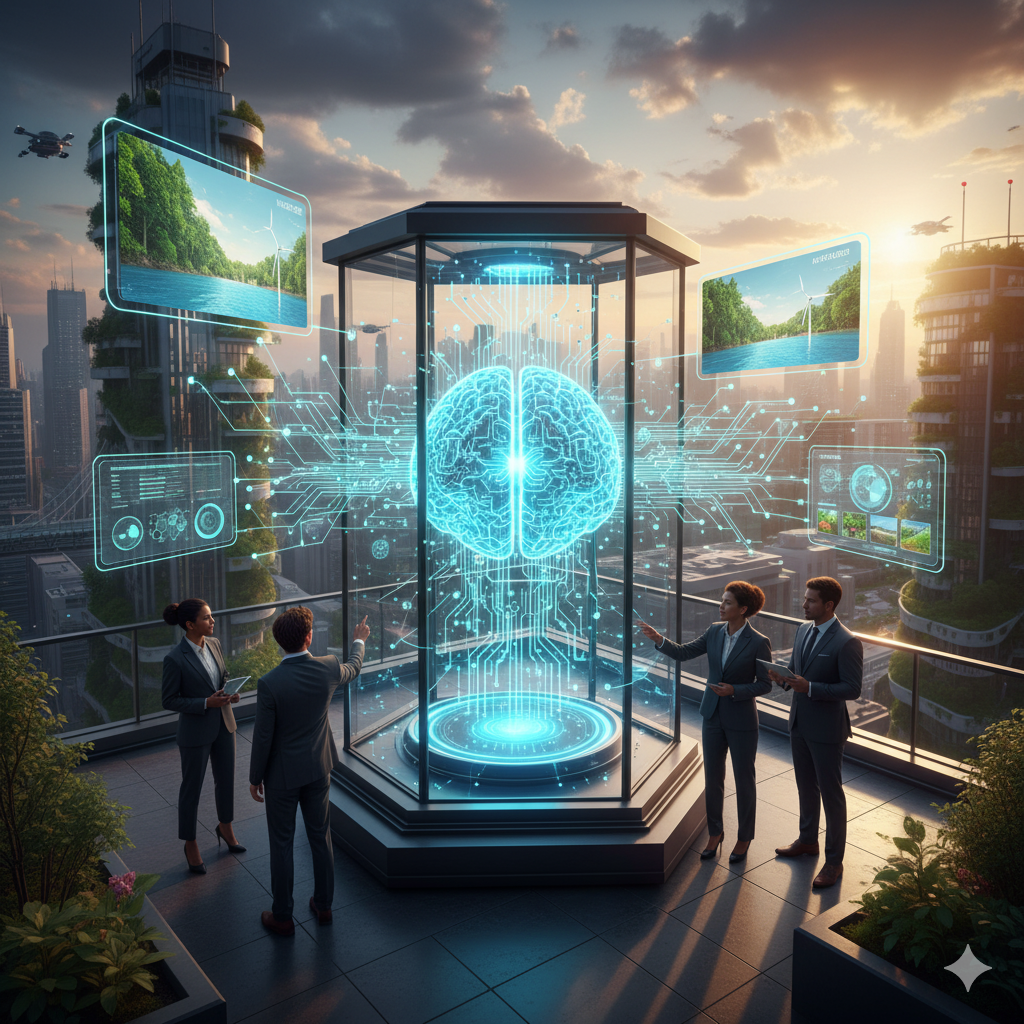
The elite of tomorrow will not only donate — they will design systems that heal. They will use technology to automate good rather than greed.
The old flex was exclusivity. The new flex is contribution.
As the world races toward an AI-powered future, prestige will belong to those who use their power to regenerate, not dominate. Impact, at last, is the ultimate status symbol.
The Rise of Regenerative Wealth: When AI and Impact Redefine Prestige was originally published in breakthrough on Medium, where people are continuing the conversation by highlighting and responding to this story.
Related reading
Unlock Your Future: Join Our 12-Week Skills Bootcamp!
Are you ready to kickstart a career in the tech industry? Breakthrough Social Enterprise is excited to announce our upcoming…
Partners: Deliver Social Value and Address the Tech Skills Gap
members to give back by conducting mock interviews and providing employability clinics for at-risk young people and prison leavers. Here’s…
My Journey Back to Prison: From Prisoner to Mentor
Returning to prison, but this time as a staff member and not a prisoner, was daunting. I instantly tensed up…