

25 March 2025
No Code, No Problem: How AI is Making Coding Accessible to Everyone

The Future of Coding — Without Code
Since the beginning of time, coding was an exclusive skill, locked behind lines of complex syntax and years of study and experience. If you wanted to build an app, automate a task, or analyze massive datasets, you had two choices: learn to code or hire a developer. But the game has changed. Artificial intelligence has made coding more accessible than ever before.
AI-assisted coding, no-code platforms, and natural language programming are no longer futuristic dreams — they’re here, empowering anyone with an idea to create, innovate, and solve real-world problems. Whether you’re an activist, an entrepreneur, a researcher, or simply someone with a vision, AI is turning technology into a tool for everyone — not just those fluent in Python or JavaScript.
Coding is no longer just about syntax. It’s about creativity, problem-solving, and unleashing human potential. And the best part? You don’t need to write a single line of code to be a part of it.

AI-Powered Coding Assistants/ No-Coding tools: Your Personal Programmer
Imagine having a personal programmer sitting beside you, ready to turn your ideas into working code instantly. That’s exactly what AI-powered coding assistants like GitHub Copilot, ChatGPT, and Replit Ghostwriter do.
No more endless Google searches or frustrating trial and error. Type a simple instruction — “Create a function that sorts a list of names alphabetically” — and AI generates the correct Python code on the spot. Debugging an error? AI can explain what’s wrong and how to fix it. Need an optimization? AI offers suggestions to make your code cleaner and more efficient.
For beginners, this is revolutionary. For experienced programmers, AI supercharges productivity, eliminating tedious tasks and allowing them to focus on bigger, more complex challenges.
The world of software development is no longer behind a locked door. AI has handed everyone the key.
In addition, today, with no-code AI platforms like Google’s AutoML, Microsoft AI Builder, and Teachable Machine, anyone can build AI-powered applications in minutes.
These platforms allow users to upload images, text, or numbers, and let AI detect patterns, train itself, and make predictions — all through an intuitive interface. Want to track pollution levels in your city? Upload sensor data, and AI will do the rest. Need an AI model to recognize different bird species? Just feed it some images, and let it learn.
This is game-changing for citizen scientists, small businesses, and community-driven projects. AI is no longer locked behind a wall of code — it’s a tool in the hands of everyday people, ready to make an impact.
AI for Website and App Development: From Idea to Reality
For years, launching a website or an app meant weeks of coding or thousands of dollars in developer fees. Now, AI-powered builders like Wix ADI, Bubble, and AppGyver allow anyone to create professional websites and mobile apps without ever touching code.
Want to start a community-driven climate action website? AI can design it, generate content, and even suggest branding colors. Need a mobile app for yourself or business? Just drag and drop elements, and your app is ready.
This is more than just convenience — it’s a revolution in who gets to participate in the digital economy. Entrepreneurs, activists, and educators no longer need technical skills to bring their ideas to life. AI is the great equalizer, making technology creation as simple as having a vision and letting AI do the heavy lifting.
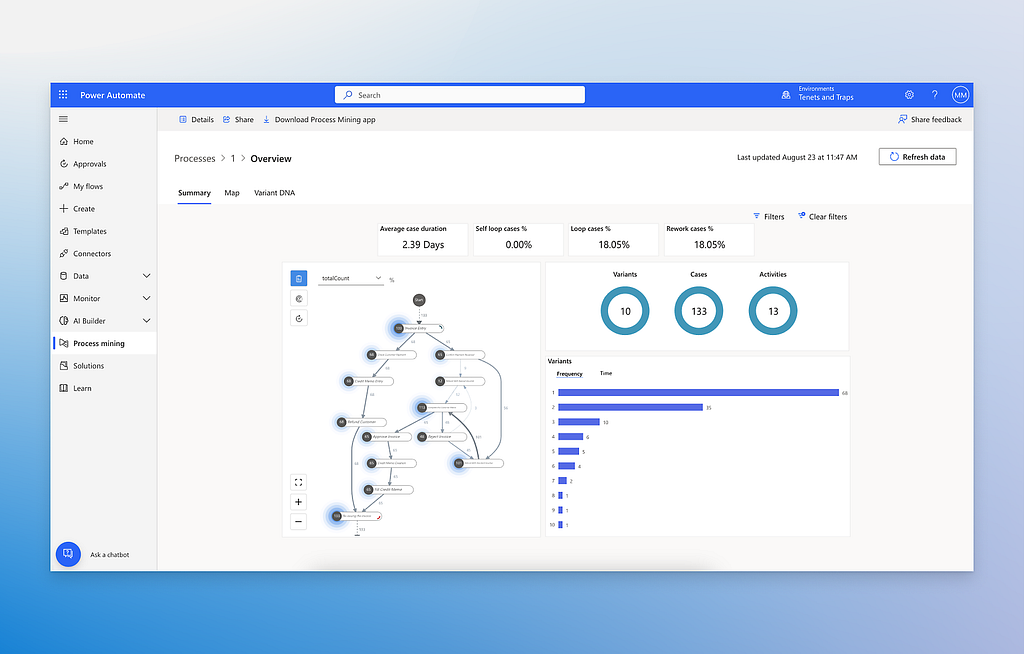
AI for Automating Everyday Tasks: Your Digital Assistant
Not everyone dreams of coding, but everyone dreams of saving time. AI-powered automation tools like Zapier, Make (formerly Integromat), and Microsoft Power Automate eliminate the most time-consuming parts of work and daily life.
Think about all the repetitive tasks that steal your time — manually entering data, organizing emails, sending reminders. Now imagine AI handling it all for you. Environmental groups tracking air quality can set up AI-driven automations that compile reports, visualize data, and notify communities — without any manual input. A small business can automate inventory tracking, sales reports, and customer outreach with zero coding required.
What used to take hours can now happen in seconds. The future isn’t just about working harder — it’s about working smarter, and AI-powered automation is making that possible for everyone.
AI for Natural Language Coding: Talking to AI Like a Human
What if coding was as simple as having a conversation? Instead of memorizing programming syntax, you could tell AI what you want, and it generates the code for you.
This is no longer science fiction. AI models like OpenAI’s Codex (the brain behind GitHub Copilot) are making natural language coding a reality. You can now type “Create a chatbot that answers frequently asked questions about climate change”, and AI will generate a fully functional script.
This shift is redefining what it means to “code.” Instead of spending years memorizing syntax, future generations may focus on problem-solving, creativity, and high-level logic — while AI handles the technical details.
The power of AI isn’t just about making coding easier — it’s about changing the very definition of what it means to be a coder.
The Future of AI

And No-Code Innovation
We are living in a technological revolution where coding is no longer a barrier — it’s an open door. Artificial intelligence is democratizing access to software development, making it possible for anyone with an idea to turn it into reality.
This isn’t about replacing coders — it’s about empowering more people to create. Whether you’re a researcher analyzing environmental data, a teacher developing an online learning platform, a small business owner automating daily tasks, or an activist launching a digital movement, AI is giving you the tools to make it happen.
The world of technology no longer belongs only to engineers. It belongs to thinkers, creators, and problem-solvers.
So, what will you create?
https://medium.com/media/33119023554f4eb67b861bd7249e7c74/href
No Code, No Problem: How AI is Making Coding Accessible to Everyone was originally published in breakthrough on Medium, where people are continuing the conversation by highlighting and responding to this story.
Related reading

Unlock Your Future: Join Our 12-Week Skills Bootcamp!
Are you ready to kickstart a career in the tech industry? Breakthrough Social Enterprise is excited to announce our upcoming…

Partners: Deliver Social Value and Address the Tech Skills Gap
members to give back by conducting mock interviews and providing employability clinics for at-risk young people and prison leavers. Here’s…
My Journey Back to Prison: From Prisoner to Mentor
Returning to prison, but this time as a staff member and not a prisoner, was daunting. I instantly tensed up…