

19 November 2025
Inside the Cloudflare Outage That Disrupted ChatGPT, X and Spotify Across the Globe
A software developer in the United States started his morning with a jog. The air felt crisp, the routine felt familiar, but something was off. His music would not play. Spotify simply refused to load.
In the United Kingdom, a creative strategist wrapped up an afternoon meeting and opened ChatGPT for a quick idea. She wanted a simple lunch suggestion based on the groceries she already had. Instead of a helpful answer, the page remained stubbornly blank.
A founder in India around early evening finally sat down to review a design her team had created. She opened Canva with a sense of relief, only to find the platform frozen. Nothing moved no matter how many times she refreshed.
Different countries. Different time zones. Different needs. Yet all three faced the same unexpected silence. Millions of others across the globe soon realised something similar. The digital world had dimmed without warning.
The panic
ChatGPT, X, Spotify, and other daily companions behaved as if someone had softly switched off part of the internet. It was a moment of shared confusion, followed by a growing sense of surprise as users worldwide realized they were experiencing the same problem.
Even though these platforms operate independently, they rely on a shared layer of internet infrastructure provided by Cloudflare. Cloudflare is not often discussed in everyday conversations, yet it guides and protects a significant portion of global web traffic. If the internet were a massive transport system, Cloudflare would be the quiet controller at every junction, keeping information moving smoothly.
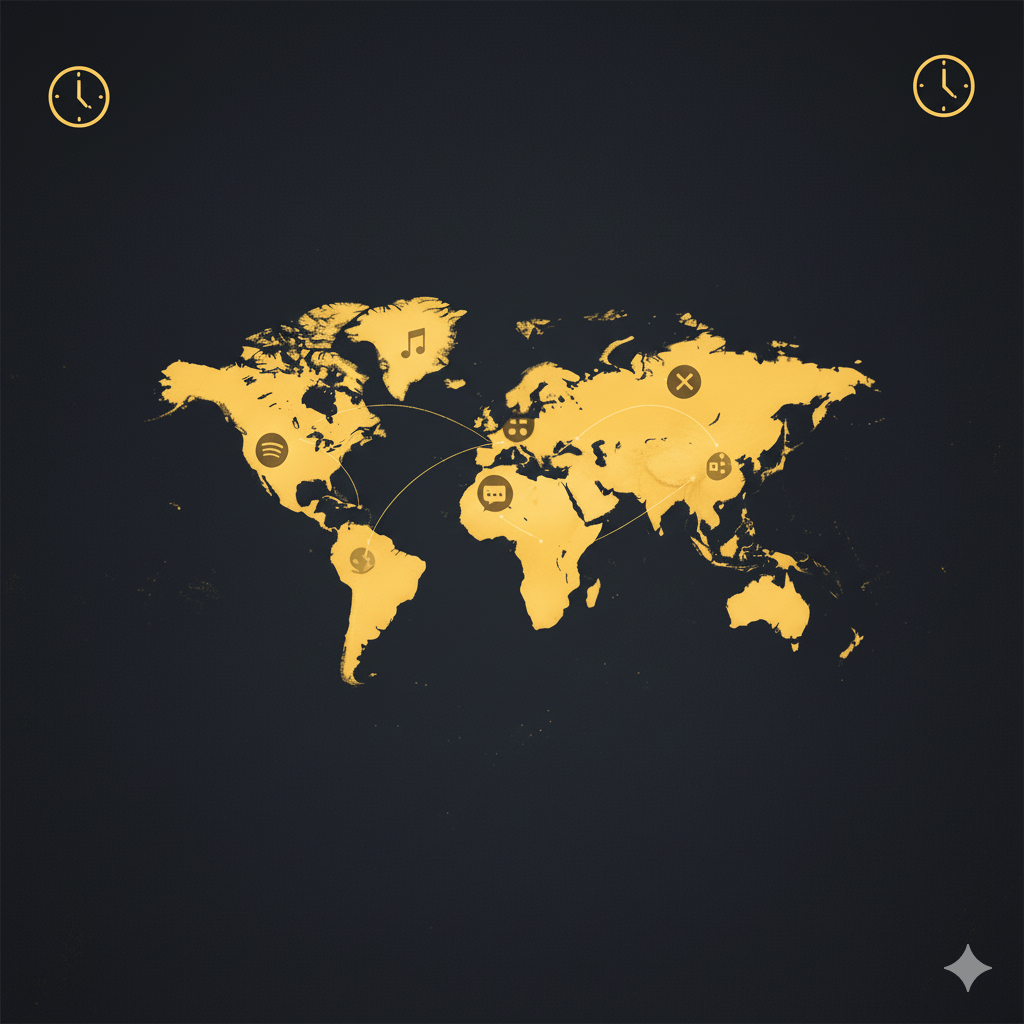
On this particular day, something unexpected happened inside Cloudflare. It is reported that a single configuration file used to manage risky traffic grew far larger than it was meant to be. Once this file expanded beyond the limits of the system, the software that processed it got overloaded. This situation can be compared to a drawer packed with too many documents. At some point, it can no longer open or close. Everything behind it becomes stuck.
The pause
The outage lasted for only a few hours, but it touched people across continents. People were unable to play music on Spotify. X would not refresh. ChatGPT stopped responding. Even simple design tools like Canva refused to cooperate.
From casual users to organisations, the pause created an unusual moment of stillness. Workflows halted. Plans shifted. The internet, which usually feels seamless and constant, suddenly reminded everyone that it is built on very real systems that can falter.
These disruptions revealed how closely modern digital services are linked to one another. Whether someone is creating, researching, socialising or simply trying to cook lunch, many everyday habits now depend on shared infrastructure.
The reflection
The incident revealed something important about life in the digital age. The most advanced tools, from AI to design platforms, still depend on an intricate network beneath them. When one central piece stumbles, many others feel the shock.
As society moves deeper into an AI-powered future, resilience will matter as much as innovation. Systems need thoughtful backups, graceful failover mechanisms, and clear communication.
The quiet hours of Tuesday served as a gentle reminder. Technology is powerful but also interconnected. Building a stable and reliable digital future means preparing for that fragility and designing with care.
Inside the Cloudflare Outage That Disrupted ChatGPT, X and Spotify Across the Globe was originally published in breakthrough on Medium, where people are continuing the conversation by highlighting and responding to this story.
Related reading

Unlock Your Future: Join Our 12-Week Skills Bootcamp!
Are you ready to kickstart a career in the tech industry? Breakthrough Social Enterprise is excited to announce our upcoming…

Partners: Deliver Social Value and Address the Tech Skills Gap
members to give back by conducting mock interviews and providing employability clinics for at-risk young people and prison leavers. Here’s…
My Journey Back to Prison: From Prisoner to Mentor
Returning to prison, but this time as a staff member and not a prisoner, was daunting. I instantly tensed up…